Describe the connection between a series of historical events, scientific ideas or concepts, or steps in technical procedures in a text. More specifically we'll be focusing on scientific concepts/ideas like life cycles. The focus will be on reading for detail and determining how each stage is important to the next. Monday - Thursday we will stay together as a class and learn about: orange trees, bees, ladybugs and watermelons. On Friday the students can choose a topic of their choice and work with a partner determining how the life cycle events connect together. You can see a picture of my anchor chart and book choices below.
Connecting Events in Informational Text - ELA Lesson Plans #24
Describe the connection between a series of historical events, scientific ideas or concepts, or steps in technical procedures in a text. More specifically we'll be focusing on scientific concepts/ideas like life cycles. The focus will be on reading for detail and determining how each stage is important to the next. Monday - Thursday we will stay together as a class and learn about: orange trees, bees, ladybugs and watermelons. On Friday the students can choose a topic of their choice and work with a partner determining how the life cycle events connect together. You can see a picture of my anchor chart and book choices below.
Character's Point of View - ELA Lesson Plans #23
My mentor text will be The Easter Egg. It is a fabulous text because the story structure is so well written with lots of action, events, character development and a great lesson.

Story Structure - ELA Lesson Plans #22
This week is all about the how's and why's of why authors choose the characters, setting and events that they choose. We will start the week with a short story, story structure game and good conversation about how characters, setting and events must go together in order to make sense. As the week progresses we will look at how the author chooses certain events to make us understand a character and later on how the character's actions, events, etc. help to give us the lesson. Throughout the week we differentiate the lessons by having the below level students focus on recounting the story, while the above level students synthesize the lesson and write different beginnings, middles and endings.
Rhythm, Rhyme and Meaning in Vocabulary - ELA Lesson Plans #21
I'll have to be honest and tell you that I dread this week every year. It's the week that kicks off the standard, CCSS.ELA-LITERACY.RL.2.4 Describe how words and phrases (e.g., regular beats, alliteration, rhymes, repeated lines) supply rhythm and meaning in a story, poem, or song. The reason it bothers me so much is because unlike the other standards, this is really at least 4 standards shoved into one. It's almost as if they had these standards left over and said let's shove them all together as to not bring too many standards to the table for 2nd grade. It is challenging standard for students because it can be very abstract. After much research and years of practice, I have it down to full proof lessons. We start very simple and fun by playing rhyming games. Then I model finding rhyming words in a poem. We discuss how rhyming words add fun and give the reader a picture in their mind. The students simply have to write this as their response for the day. I extend the day further by reading a ton of rhyming poetry in transitions. During writing the students will choose rhyming words to write a poem with. If they have a hard time I allow them to use the rhyming cards from the game that we played.
On day 2 we tackle syllables and how they add rhythm to a piece. I model with a familiar poem like Jack and Jill and the students tap it out. Throughout the day I will read more poems with rhythm. Students will extend their learning by writing poetry with rhythm. The poems that they write will go into a poetry book each day.
On day 3 we put days 1 and 2 together. This time I read Little Bo Peep and we talk about the added fun of having rhythm and rhyme together. I draw my visualization of the poem out for the students. The students will of course respond in their notebook. Breaking the standard apart and having them respond each day makes it easier for them and then I have proof in their journal that they mastered that portion of the standard. We will of course extend our learning every day this week by writing poetry.
Day 4 is probably the easiest of the days because we have tackled word meaning all year. The students will read differentiated text with a partner circling words that give them a picture in their head. When they are done discussing the text with their partner and finding the unknown words, they will draw a picture of the poem in a cat outline and cut it out. They know they are responsible for illustrating each word that is circled.
On the last day we tackled repeated words together. The students will use the guiding question - How do the repeated words add to the rhyme? They will have to illustrate the text as well. Once the week is over students have a firm grasp of the standard and we will continue to point out rhythm, rhyme and meaning as we read text for the rest of the year.
All of the poems and materials from the week can be found by clicking on the picture below.

Chickens In The Classroom - ELA Lesson Plans #20
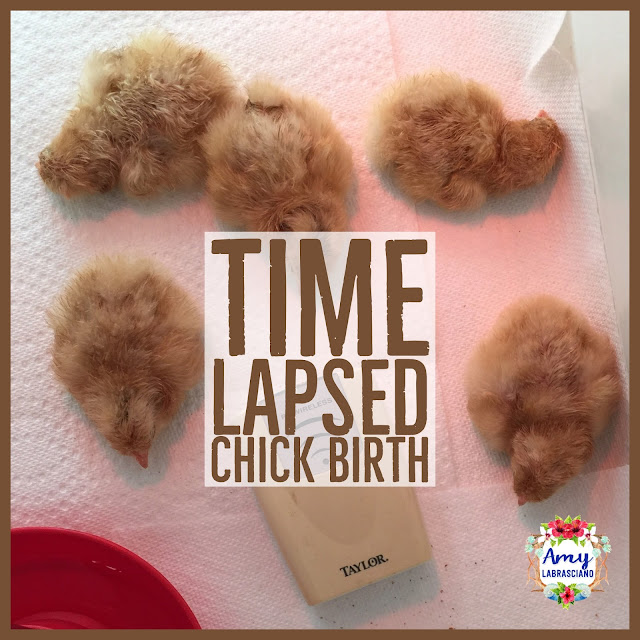
If you want to teach your students about chickens you have come to the right place! I have links at the bottom of this post to other chicken posts that I have written as well as my week's lessons on chickens here. These posts will detail how to hatch your own chickens and other lessons that I've taught on chickens. This year I also put together some of my chicken videos so that if you don't want the hassle of chicks in your classroom, you can show your students videos of the entire process. Nothing says science literature connections like first reading all about hatching chickens and then hatching them. Students will learn how important it is to read and obtain information carefully because they will need the information to hatch and raise our chicks. We will continue learning about influential African Americans by writing biographies in writing.
For more lesson ideas, click on the photo below.
For a how-to guide on hatching chickens in the classroom click on the photo below.
If your are interested in purchasing my chick videos and resources, click on the photos below.
Retelling - ELA Lesson Plans #19
I don't know about you, but I am definitely glad Chinese New Year lasts for 15 days! Even though I'm a little late getting it on my lesson plans we always have an amazing time learning a little about the Chinese culture. We will celebrate on Tuesday by taking key details from the text to put together a Dragon Parade. The kids always have a ton of fun and they love learning about the holiday and culture. We'll also take a look at Run Away Rice Cake in order to recount the plot and lesson.
During the week we will have eggs in an incubator that we will be journaling about. You'll see more of my lessons next week.
This week during writing we will be writing an autobiography. I'll use Ruby Bridges as a mentor text and modeling with. my autobiography. The students really connect with Ruby and it's a great way to learn about another influential American.
Click below for a free Chinese New Year graphic organizer.
Subscribe to:
Posts (Atom)